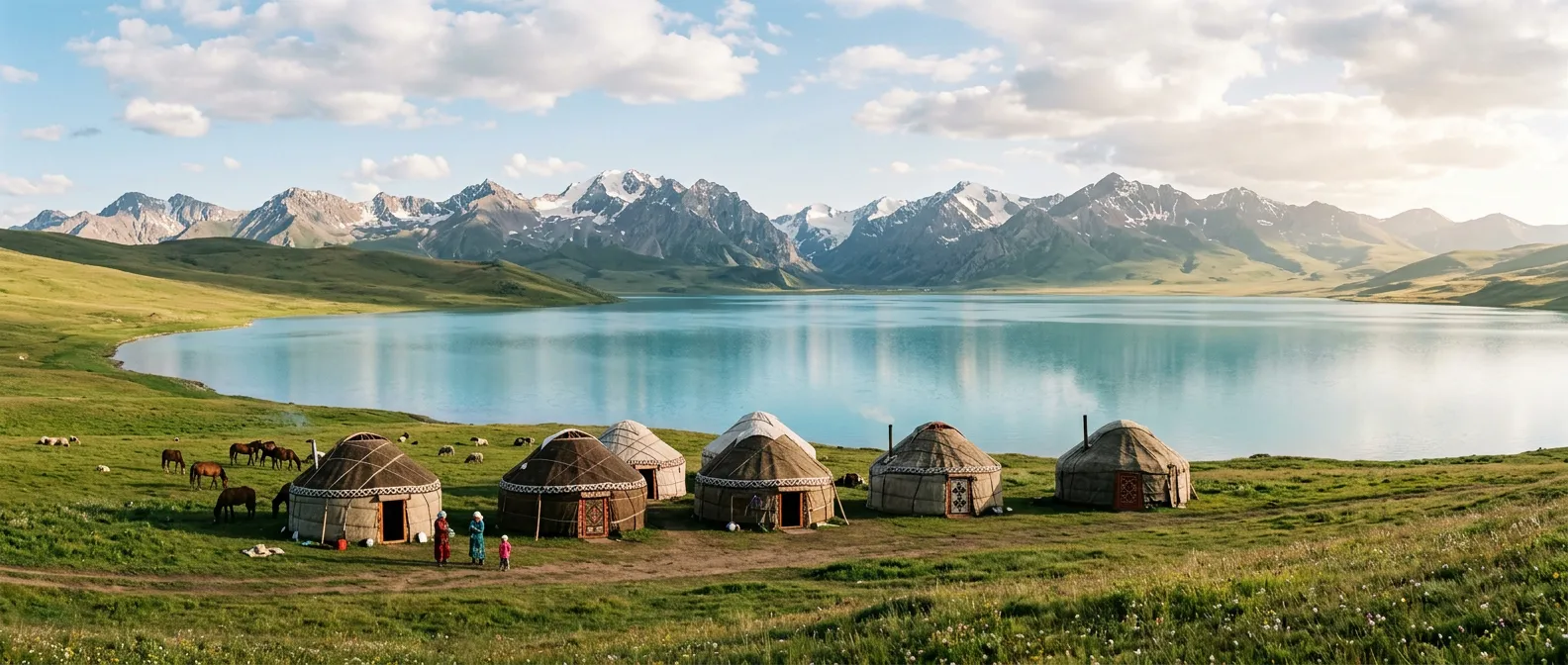
Kyrgyzstan is a paradise for mountaineers and trekkers. With peaks exceeding 7,000 metres, vast alpine meadows, and the celestial Tien Shan range, the country attracts outdoor enthusiasts from around the world. Before you pack your gear and book your flight, you need to understand the visa requirements for mountain trekking in Kyrgyzstan.
Do You Need a Visa for Mountain Trekking in Kyrgyzstan?
Most foreign nationals need a visa to enter Kyrgyzstan for trekking and mountaineering. However, citizens of over 60 countries – including the EU, USA, Canada, Australia, and Japan – can enter visa-free for stays of up to 60 days. Others must obtain an e-Visa or a traditional visa through an embassy.
The type of visa you need depends on your nationality, the duration of your trek, and whether you plan to visit restricted border zones. A standard tourist e-Visa covers most trekking activities in the Tien Shan and Pamir ranges.
Kyrgyzstan e-Visa for Trekkers
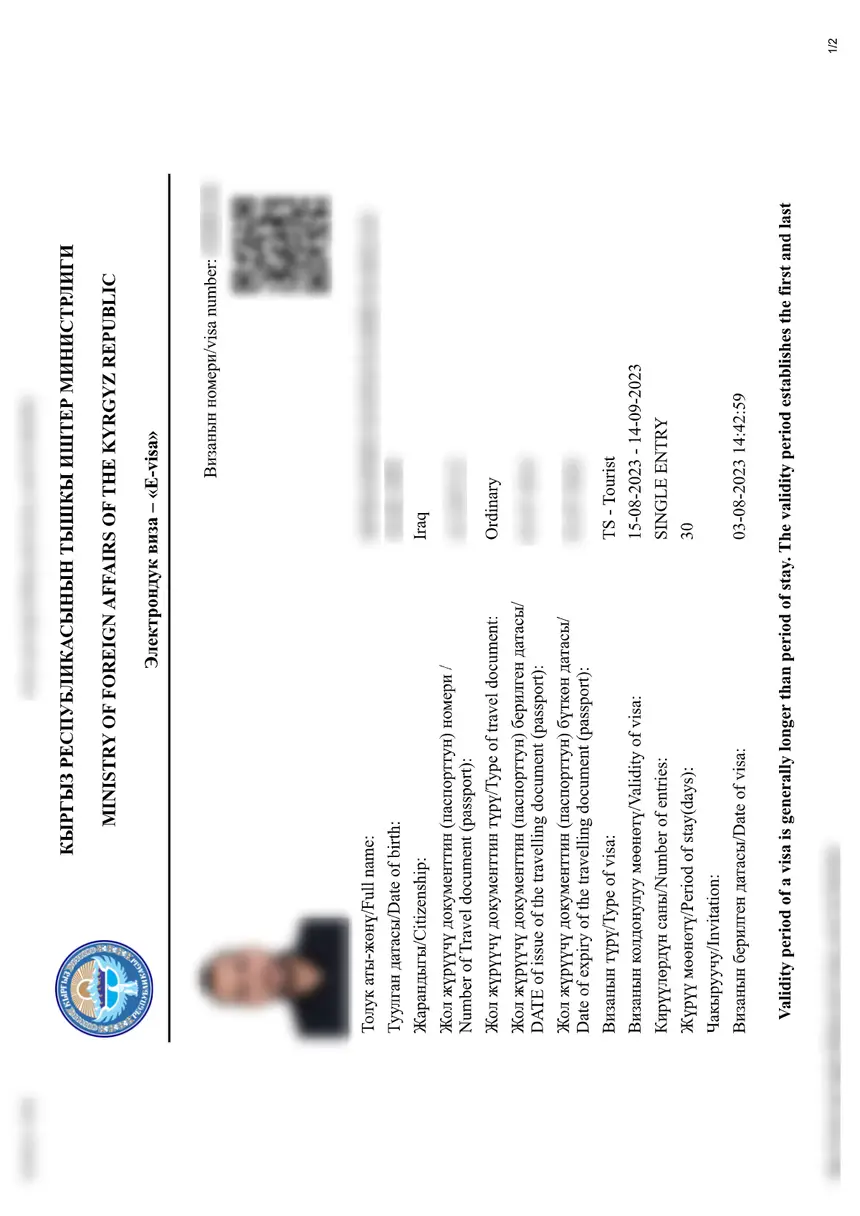
The Kyrgyzstan e-Visa is the simplest option for most trekkers. You can apply entirely online without visiting an embassy. The e-Visa is available as a single-entry or multiple-entry document, valid for 60 or 90 days depending on the type.
Key details for trekkers:
- Processing time: 3-5 business days
- Validity: 60 or 90 days from the date of issue
- Entry type: Single or multiple entry
- Cost: From approximately 40 USD (fees vary by nationality)
- Where to apply: Official Kyrgyz e-Visa portal (evisa.e-gov.kg)
The e-Visa covers all popular trekking regions including Karakol, Jyrgalan, Arslanbob, and the Ala-Archa National Park near Bishkek.
Border Zone Permits for Mountain Regions
Certain mountain areas in Kyrgyzstan lie within restricted border zones, particularly those close to the Chinese and Tajik borders. If your trekking route passes through these areas, you need an additional border zone permit (also called a border pass or propusk).
Areas requiring border zone permits:
- Inylchek Glacier region – near the Chinese border
- Khan Tengri and Jengish Chokusu base camps – border with China
- Peak Lenin area – near the Tajik border in the Alay Valley
- Chatkal Valley – border with Uzbekistan
- Arslanbob to Sary-Chelek route – may pass through restricted areas
Border zone permits are issued by the Border Guard Service of Kyrgyzstan. Your trekking agency or tour operator typically arranges these permits on your behalf. Apply at least 2-4 weeks before your planned trek.
Peak Permits and Mountaineering Fees
If you plan to climb peaks above a certain altitude, you need a mountaineering permit in addition to your visa. The Kyrgyz State Commission on Mountain Safety issues these permits.
Popular peaks and their permit requirements:
| Peak | Altitude | Permit Required | Approximate Fee |
|---|---|---|---|
| Peak Lenin | 7,134 m | Yes | 250-500 USD |
| Khan Tengri | 6,995 m | Yes | 350-600 USD |
| Jengish Chokusu (Peak Pobedy) | 7,439 m | Yes | 500-800 USD |
| Ala-Kul Trek | 3,860 m | No | Free |
| Inylchek Trek | 4,000 m+ | Border permit | Varies |
For peaks under 5,000 metres, you generally do not need a separate mountaineering permit. Standard trekking routes such as the Ala-Kul loop, Song-Kul trek, and Jyrgalan valley trails are open without additional permits.
How to Apply for a Kyrgyzstan Mountain Visa
Step 1: Determine your visa type. Check whether your nationality qualifies for visa-free entry or requires an e-Visa.
Step 2: Apply for the e-Visa online. Visit the official portal, fill in the application form, upload a passport photo and a scan of your passport bio page, and pay the fee.
Step 3: Receive your e-Visa by email. Print the e-Visa and carry it with your passport.
Step 4: Arrange border zone permits if your trek enters restricted areas. Contact a licensed Kyrgyz trekking agency at least 4 weeks before departure.
Step 5: Obtain peak permits if climbing above 5,000 metres. Your mountaineering agency will handle this process.
Documents Required for Trekking in Kyrgyzstan
Prepare the following documents before your trip:
- Valid passport – at least 6 months validity from your entry date
- Printed e-Visa – if applicable for your nationality
- Travel insurance – must cover mountaineering and helicopter evacuation above 4,000 metres
- Border zone permit – for restricted areas near international borders
- Mountaineering permit – for peaks above 5,000 metres
- Letter of invitation – may be required for embassy visa applications (not needed for e-Visa)
Best Time for Mountain Trekking in Kyrgyzstan
The trekking season in Kyrgyzstan runs from June to September. July and August offer the best conditions for high-altitude treks when snow melts and mountain passes open.
- June: Wildflowers bloom in alpine meadows; some high passes may still be snow-covered
- July-August: Optimal conditions; all passes open; warmest temperatures at altitude
- September: Golden autumn colours; cooler temperatures; fewer crowds
For peak climbing (Khan Tengri, Peak Lenin), the season is typically July to early August when weather windows are most reliable.
Popular Mountain Trekking Routes in Kyrgyzstan
Ala-Kul Lake Trek (3-4 days): One of Kyrgyzstan’s most iconic treks, crossing a 3,860-metre pass to reach a stunning turquoise glacial lake near Karakol.
Jyrgalan Valley Treks (2-5 days): A network of trails from the former mining village of Jyrgalan, offering routes to Boz-Uchuk Lakes, Terim-Tor Valley, and the Ala-Kul approach.
Song-Kul Lake Trek (3-5 days): A moderate trek through jailoo (summer pastures) to the high-altitude Song-Kul Lake at 3,016 metres, home to nomadic Kyrgyz herders.
Inylchek Glacier Trek (5-7 days): A challenging expedition to one of the largest glaciers outside the polar regions, with views of Khan Tengri and Jengish Chokusu.
Peak Lenin Base Camp Trek (4-6 days): Access the base camp of the 7,134-metre Peak Lenin in the Alay Valley, one of the easiest 7,000-metre peaks to climb.
Tips for Obtaining Your Mountain Visa
- Apply early: Submit your e-Visa application at least 2 weeks before departure to allow for processing delays.
- Use a local agency: Licensed Kyrgyz trekking agencies handle border permits and peak permits efficiently. Attempting to arrange permits independently is time-consuming and often unsuccessful.
- Check restricted zones: Some trekking routes cross restricted border zones without obvious signage. Confirm your itinerary with your agency.
- Carry printed documents: Border guards and park rangers expect printed copies of your visa, permits, and insurance. Digital copies on your phone are not always accepted.
- Extend if needed: If your trek runs longer than planned, visit the Department of Registration in Bishkek to extend your visa before it expires.
Can I trek in Kyrgyzstan without a visa?
Citizens of over 60 countries (including the EU, USA, Canada, Australia, and Japan) can enter Kyrgyzstan visa-free for up to 60 days. This covers most standard trekking activities. However, if you need to extend beyond 60 days or your nationality is not on the visa-free list, you must obtain an e-Visa.
Do I need a special permit to trek in the Tien Shan mountains?
For most Tien Shan trekking routes (Ala-Kul, Jyrgalan, Song-Kul), no special permit beyond your visa is required. However, routes near the Chinese border – such as the Inylchek Glacier and Khan Tengri base camp – require a border zone permit from the Border Guard Service.
How much does a trekking visa for Kyrgyzstan cost?
The e-Visa costs approximately 40-70 USD depending on your nationality and visa type. Border zone permits typically cost 30-80 USD. Peak climbing permits range from 250-800 USD depending on the mountain. Combined, expect to pay 70-150 USD for a standard trekking trip.
Can I extend my visa while trekking in Kyrgyzstan?
Yes, you can extend your e-Visa at the Department of Registration (OVIR) in Bishkek or regional offices. Apply before your current visa expires. Extensions are typically granted for an additional 30-60 days. Carry your trekking itinerary and proof of onward travel.
Is travel insurance mandatory for mountain trekking in Kyrgyzstan?
While not legally required for visa issuance, comprehensive travel insurance covering mountaineering activities and helicopter evacuation above 4,000 metres is strongly recommended. Some trekking agencies require proof of insurance before issuing border permits. Medical evacuation from remote mountain areas without insurance can cost tens of thousands of dollars.
What altitude requires a mountaineering permit in Kyrgyzstan?
Generally, peaks above 5,000 metres require a mountaineering permit issued by the Kyrgyz State Commission on Mountain Safety. Peaks below 5,000 metres on standard trekking routes do not require additional permits. Border zone permits are separate and apply regardless of altitude if the area is near an international border.